
Description
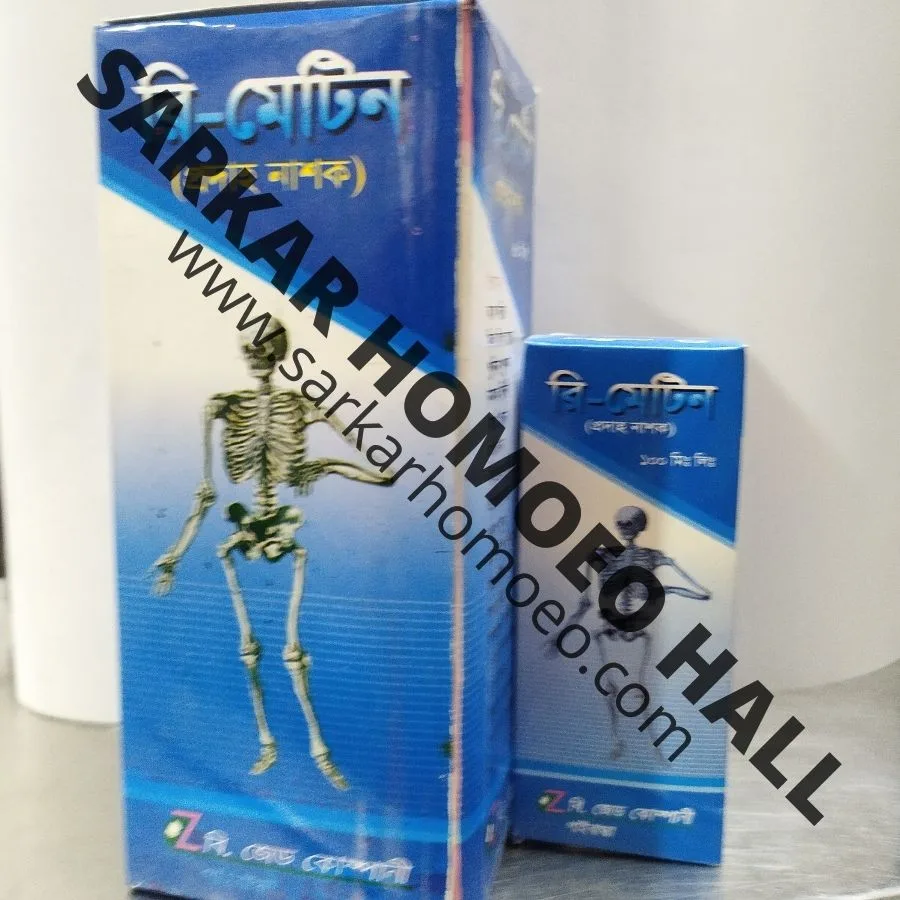
The oil of cassia is also used as an effective natural treatment for arthritic joints on account of its anti-inflammatory and anti-rheumatic properties. Cassia essential oil is known to stimulate the flow of blood to the joints by strengthening the circulatory system which in turn increases the supply of oxygen to the joints. The added oxygen received by the joints helps in strengthening the nearby muscles and tissues by adding nutrients and also warms the surrounding tissues thereby providing relief from the discomfort and pain associated with arthritis. Myrica sapida The bark is antirheumatic, antiseptic, aromatic, astringent, carminative, ophthalmic and stimulant. The juice is applied to treat rheumatism. syzygium aromaticum The essential volatile oils functions as a rubefacient, meaning that it irritates the skin and expands the blood vessels, increasing the flow of blood to make the skin feel warmer, making it a popular home remedy for arthritis and sore muscles, used either as a poultice or in hot baths. The essential oil, eugenol in this spice has been in therapeutic use as a local-anesthetic curcuma zedoaria As zedoary possesses anti-inflammatory properties, fresh roots of the plant are made into a paste and applied to inflamed body areas, especially to wounds and skin complaints. In addition, it is also used to alleviate pain. sesamum indicum Provides Relief from Rheumatoid Arthritis � A mineral that is important for anti-inflammatory and antioxidant enzyme systems, copper is known for reducing pain and swelling associated with arthritis. Additionally, this mineral helps provide strength to blood vessels, bones, and joints. Promote Healthy, Beautiful Skin � Sesame seeds are full of zinc, an essential mineral for producing collagen and giving skin more elasticity. Zinc also helps damaged tissues in the body to repair. Sesame oil is also known to sooth burns and prevent skin related disorders. Brassica campestris Aches and pains: Poultice or plaster made from mustard seeds helps in curing pains and spasms as well. Mustard has rubefacient properties and hence when applied as plaster, exercises analgesic effects and provides relief in the paralysis of limbs, rheumatism and other muscular aches. Relieves rheumatoid, arthritic and muscle pain: The selenium and magnesium content of mustard lend it anti-inflammatory and heat producing properties. When applied to the body, the paste helps loosen muscles, leading to relief from pain. Nociceptive Because of its topical irritant effects, mustard has been used traditionally as a rubefacient and irritant. These properties have served as models for animal analgesia experiments. Numerous studies elucidating the mechanism of action of nociceptive chemicals, including mustard oil, have been published and describe the transient receptor potential ankyrin-1 and related ion flow within specific neurons.




No customer reviews yet
Be the first to review this product and share your experience.